20 Diabetes-Friendly Snack Recipes That Are Simple, Satisfying, and Delicious
Finding a snack when you have diabetes does not mean eating bland food or giving up carbohydrates completely. A practical snack usually combines a sensible portion of carbohydrate with protein, fiber, or unsaturated fat. That combination can help you feel full for longer and may lead to a steadier blood sugar response than refined carbohydrates eaten on their own.
These 20 recipes cover every craving: creamy bowls, crunchy roasted chickpeas, savory roll-ups, and make-ahead bites. Each one lists metric and US measurements, simple steps, and an approximate carbohydrate count so you can fit it into your own plan. There is no single snack that works identically for everyone. Your blood sugar response depends on your medication, activity level, sleep, meal timing, and portion size. If you use insulin or a medication that can cause low blood sugar, follow the snack and hypoglycemia advice given by your healthcare team. Sources and further reading: American Diabetes Association, CDC, Diabetes UK.
How to Read These Recipes
Carbs are rounded estimates of total carbohydrate per serving. Brands and portions vary, so check your labels.
Serving sizes are small on purpose. Nuts, seeds, nut butters, cheese, and avocado are nutritious but calorie-dense, so measure them.
Choose unsweetened yogurt, nut butter, and plant milk, and check labels for added sugar and sodium.
20 Diabetes-Friendly Snack Recipes
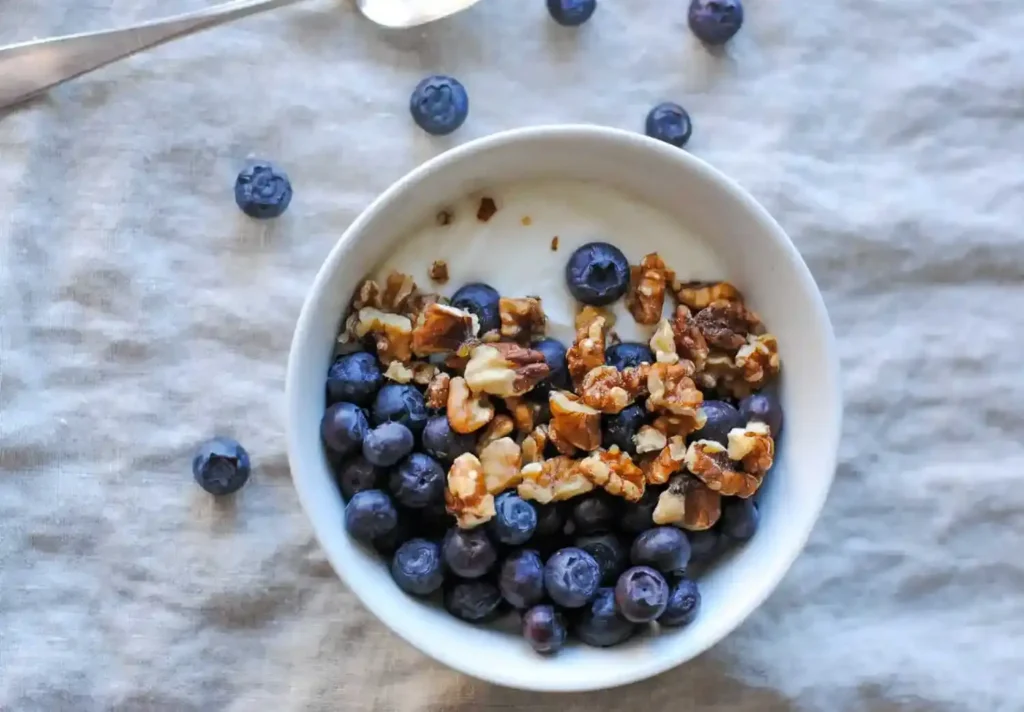
1. Greek Yogurt, Berries, and Walnut Bowl
Why it works: Plain Greek yogurt provides protein, berries add fiber, and walnuts bring unsaturated fat and crunch.
Ingredients (1 serving)
¾ cup (170 g) plain unsweetened Greek yogurt
½ cup (75 g) raspberries or blueberries
1 tablespoon chopped walnuts
¼ teaspoon cinnamon
⅛ teaspoon vanilla extract, optional
Instructions
Stir the cinnamon and vanilla into the yogurt in a bowl.
Top with the berries and walnuts.
Serve chilled.
Approx. carbs: 15 g
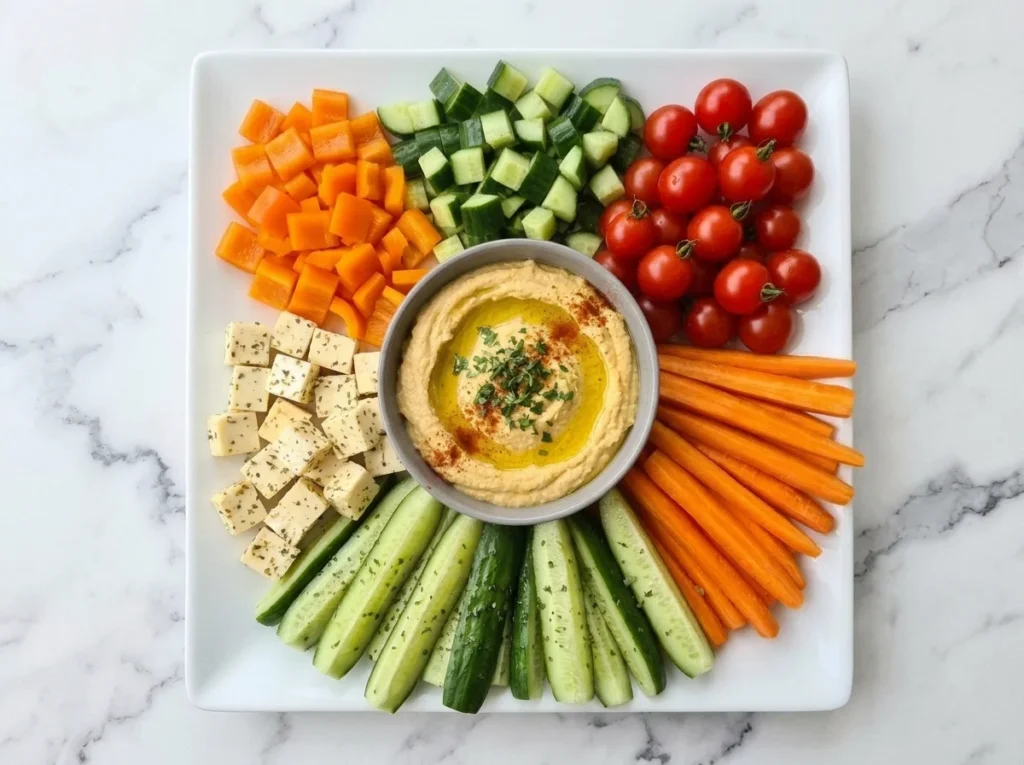
2. Hummus and Crunchy Vegetable Sticks
Why it works: Hummus is made from chickpeas, which provide plant protein and fiber. Non-starchy vegetables add volume and crunch for relatively few carbohydrates.
Ingredients (1 serving)
⅓ cup (80 g) hummus
½ cucumber, cut into sticks
½ bell pepper, sliced
1 celery stalk, cut into sticks
1 teaspoon lemon juice and a pinch of smoked paprika, optional
Instructions
Spoon the hummus into a small bowl.
Arrange the vegetables around it.
Finish with lemon juice and paprika if desired.
Approx. carbs: 18 g
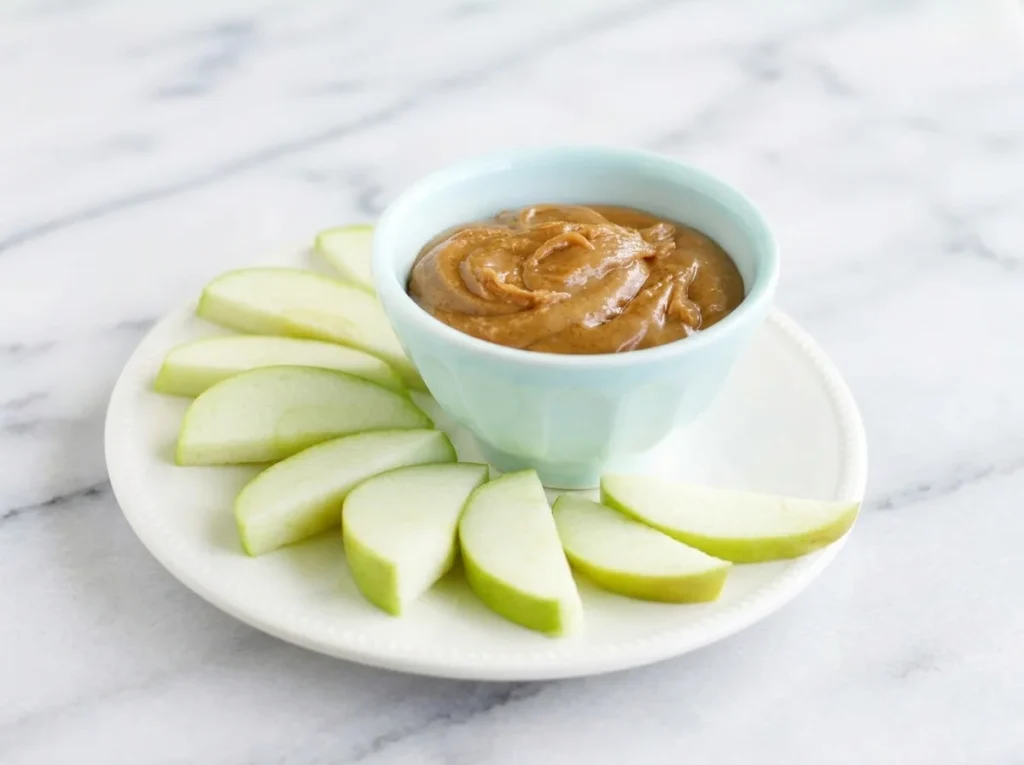
3. Apple Slices with Almond Butter
Why it works: A whole apple provides fiber and water. Almond butter adds protein and unsaturated fat, and measuring it keeps the portion balanced.
Ingredients (1 serving)
1 small apple (about 150 g)
1 tablespoon (16 g) unsweetened almond or peanut butter
A pinch of cinnamon
Instructions
Wash, core, and slice the apple.
Spread the nut butter over the slices, or serve it on the side as a dip.
Sprinkle with cinnamon and serve right away.
Approx. carbs: 24 g. This is higher than most snacks here, so choose a smaller apple or half an apple if you want a lighter option.
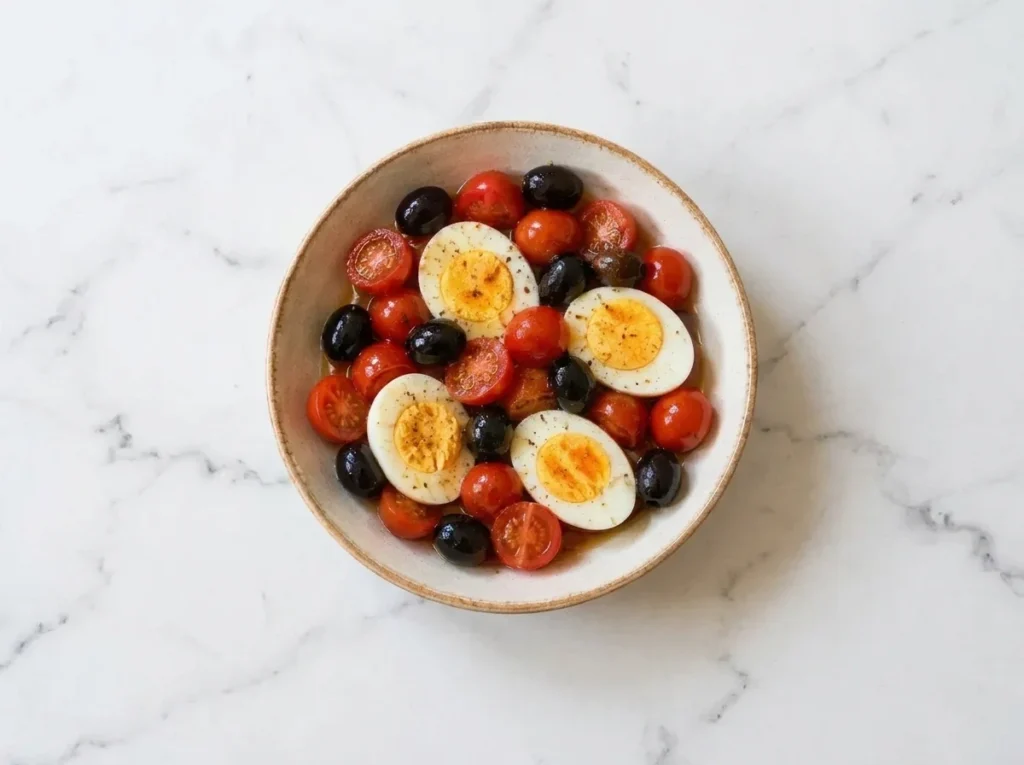
4. Hard-Boiled Egg and Cherry Tomatoes
Why it works: Eggs are naturally low in carbohydrates and provide protein, which helps with fullness. Tomatoes add freshness and a little fiber.
Ingredients (1 serving)
1 large egg
5–6 cherry tomatoes
Black pepper, paprika, or fresh herbs
Instructions
Place the egg in a saucepan, cover with cold water, and bring to a boil.
Cover the pan, remove it from the heat, and let the egg sit for 10–12 minutes, depending on how firm you like the yolk.
Cool the egg in ice water, then peel and slice it.
Serve with the tomatoes and season with pepper, paprika, or herbs.
Approx. carbs: 5 g. Boil several eggs at once for grab-and-go snacks during the week.
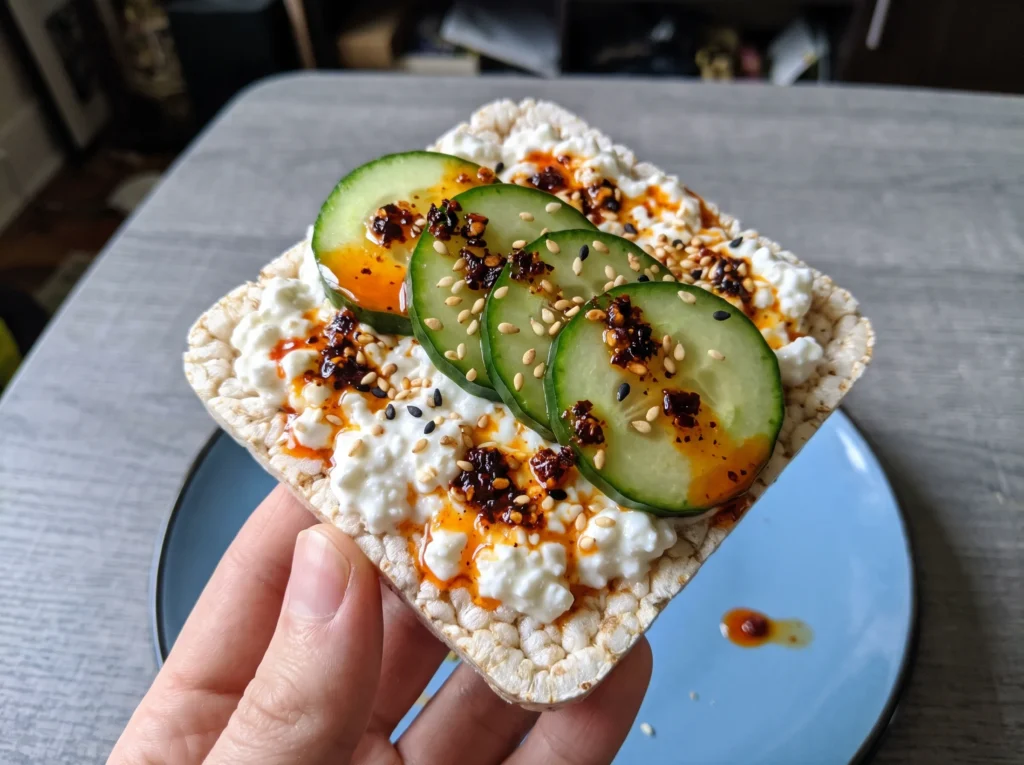
5. Cottage Cheese, Cucumber, and Whole-Grain Crackers
Why it works: Cottage cheese provides protein, and whole-grain crackers offer more fiber than crackers made with refined flour. Check the package for serving size and sodium.
Ingredients (1 serving)
⅓ cup (75 g) plain cottage cheese
2 whole-grain crackers
½ small cucumber, sliced
Fresh dill or black pepper
Instructions
Place the cottage cheese in a small bowl.
Serve with the crackers and cucumber slices.
Add dill or pepper before eating.
Approx. carbs: 15 g
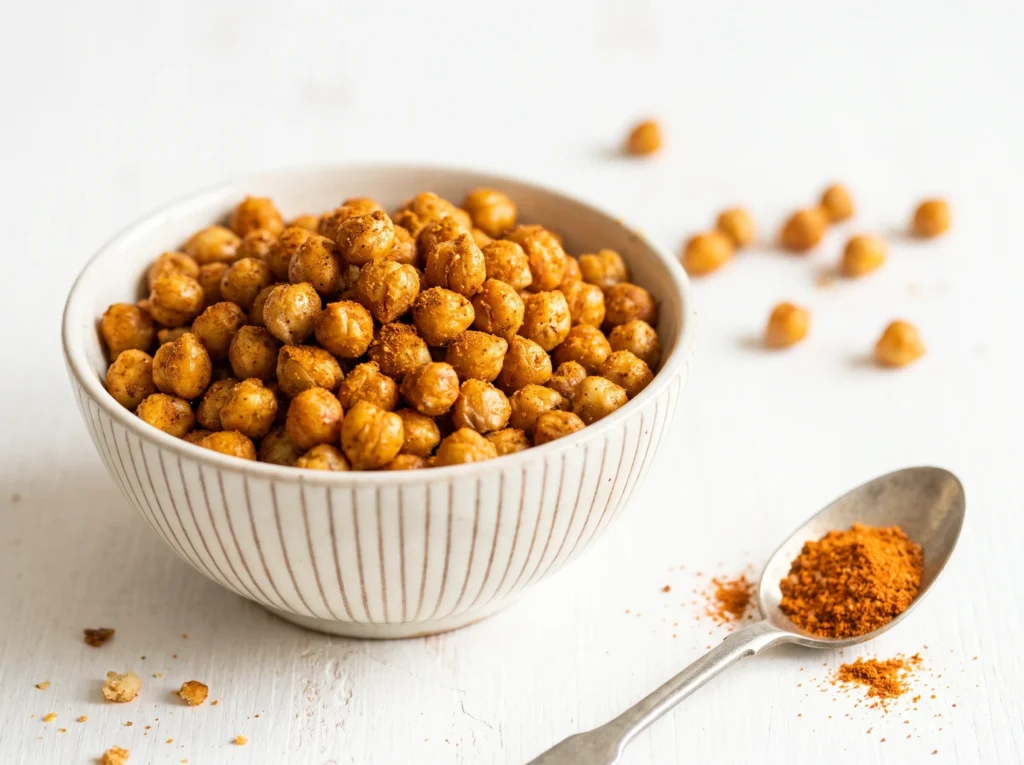
6. Oven-Roasted Chickpeas
Why it works: Chickpeas supply plant protein, fiber, and complex carbohydrates. Roasting turns them into a crunchy alternative to chips.
Ingredients (2 servings)
1 cup (165 g) cooked chickpeas, rinsed and drained
1 teaspoon olive oil
½ teaspoon smoked paprika
¼ teaspoon ground cumin
Black pepper to taste
Instructions
Preheat the oven to 400°F (200°C).
Pat the chickpeas very dry with a clean towel.
Toss them with the olive oil and spices.
Spread in a single layer on a baking sheet and roast for 25–35 minutes, shaking the pan halfway through.
Cool completely so they crisp up, then divide into two portions.
Approx. carbs: 22 g per serving
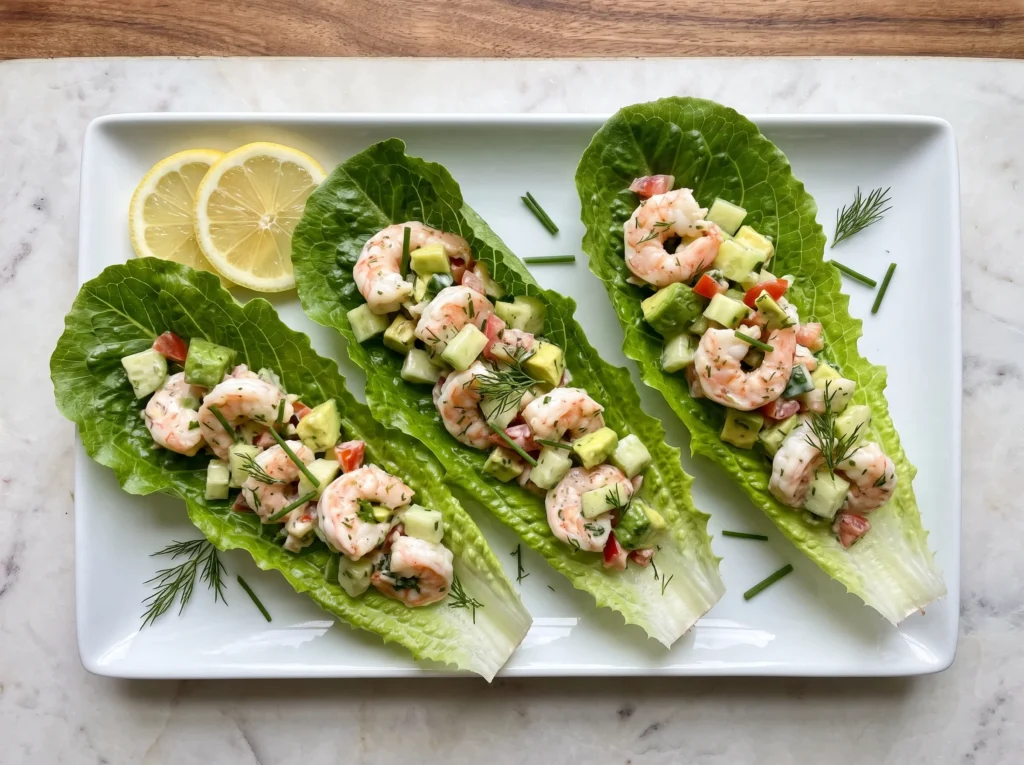
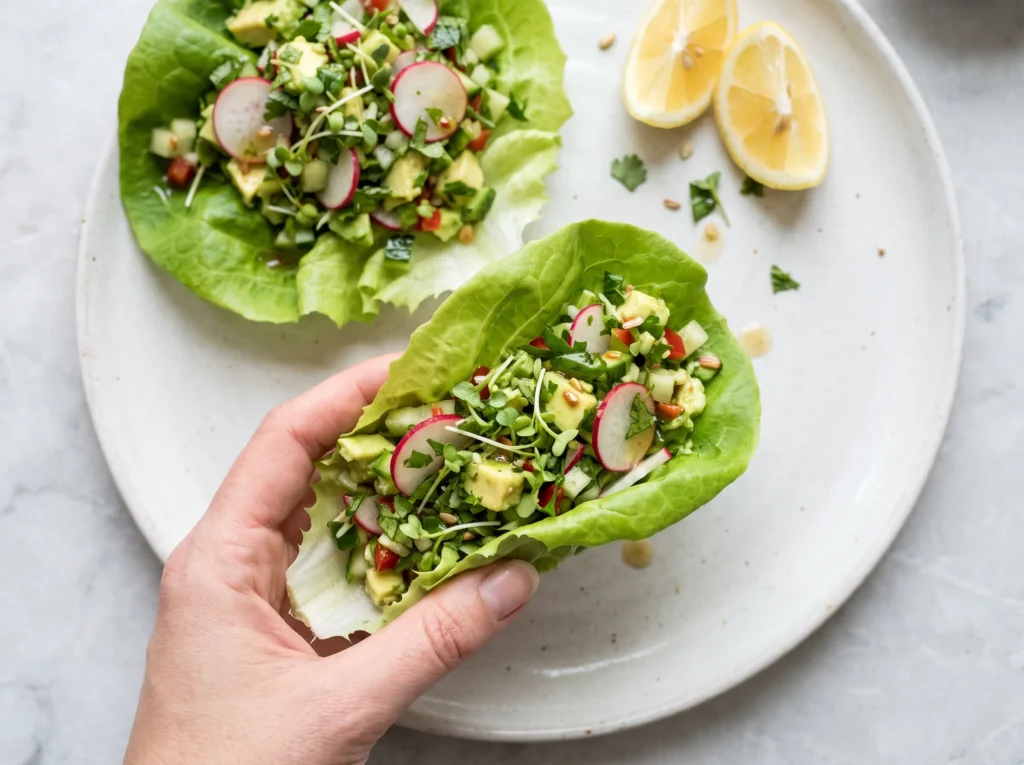
7. Avocado and Shrimp Lettuce Cups
Why it works: Shrimp provides protein, and avocado adds creaminess with mostly unsaturated fat. Lettuce replaces bread or tortillas.
Ingredients (1 serving)
¼ avocado
2½ oz (70 g) cooked shrimp
4 lettuce leaves
1 teaspoon lemon juice
Black pepper and chopped chives
Instructions
Mash the avocado with the lemon juice and pepper.
Fold in the shrimp.
Spoon the mixture into the lettuce leaves and sprinkle with chives.
Approx. carbs: 4 g
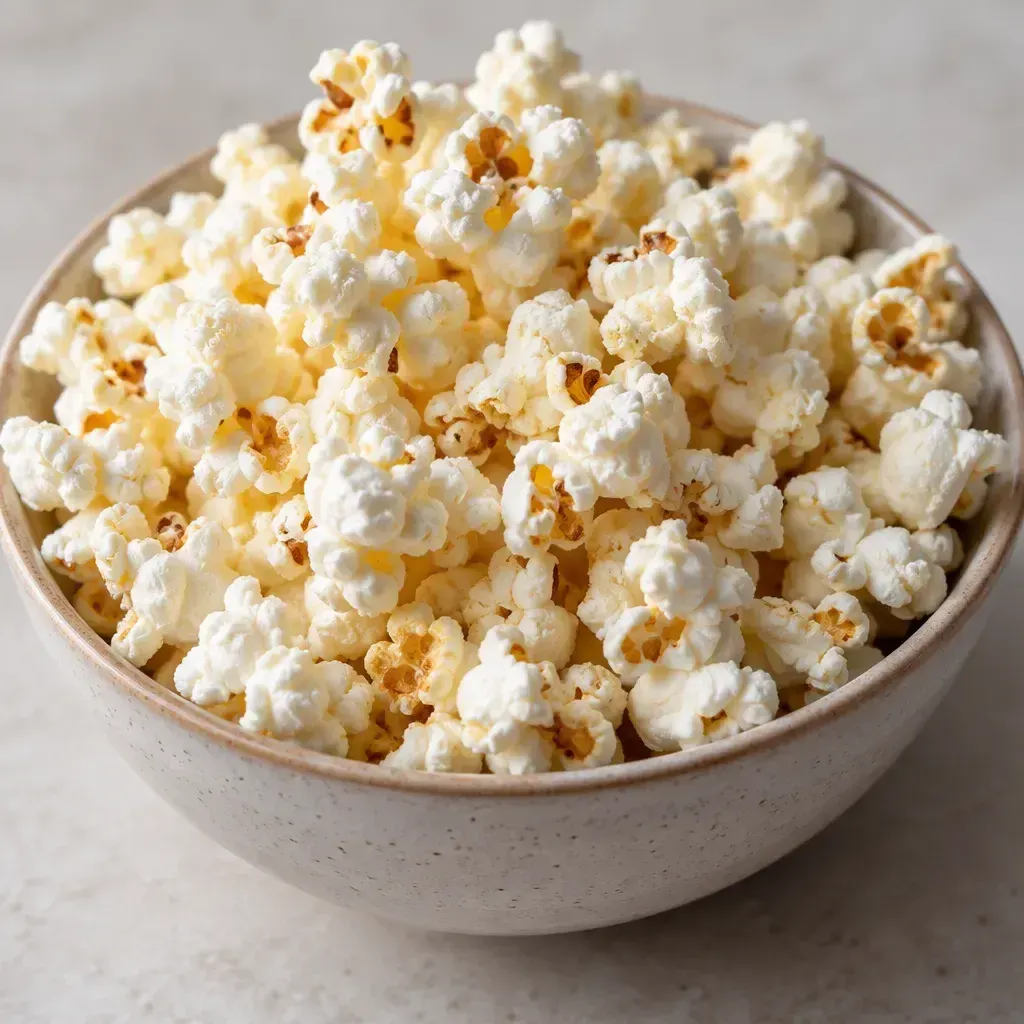
8. Plain Air-Popped Popcorn
Why it works: Plain popcorn is a whole grain that gives you a lot of volume and some fiber. Skip caramel, heavy butter, and very salty microwave varieties.
Ingredients (1 serving)
3 cups (24 g) air-popped popcorn
Paprika, cinnamon, or nutritional yeast
Instructions
Pop the corn in an air popper, or in a covered saucepan over medium heat, shaking until the popping slows.
Season with your favorite spices.
Eat from a measured bowl rather than the bag. Pairing it with a little cheese or a few nuts makes it more balanced.
Approx. carbs: 18 g
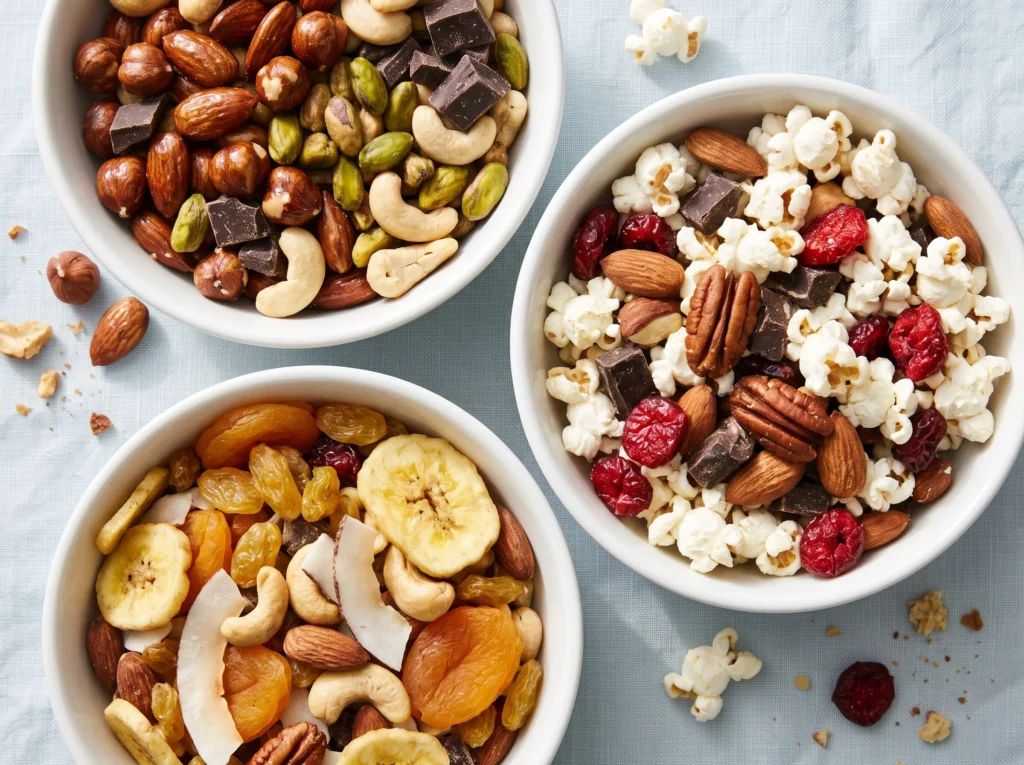
9. Homemade Trail Mix
Why it works: Nuts and seeds provide protein, fiber, and healthy fats. Making your own lets you control the dried fruit, which adds carbohydrates quickly.
Ingredients (4 servings)
¼ cup (35 g) unsalted almonds
¼ cup (30 g) walnuts
2 tablespoons pumpkin seeds
2 tablespoons sunflower seeds
2 tablespoons unsweetened coconut flakes
1 tablespoon raisins or unsweetened dried fruit, optional
Instructions
Combine everything in a bowl.
Divide into four small containers or snack bags.
Store in a cool, dry place.
Approx. carbs: 6 g per serving (about ¼ cup). Nuts and seeds are calorie-dense, so stick to the measured portion.
10. Tuna and Avocado Lettuce Wraps
Why it works: Tuna is rich in protein, and avocado gives the filling creaminess without much mayonnaise.
Ingredients (1 serving)
3 oz (85 g) canned tuna in water, drained
¼ avocado
1 teaspoon lemon juice
3–4 lettuce leaves
2 tablespoons chopped celery, optional
Instructions
Mash the avocado with the lemon juice.
Fold in the tuna and celery.
Spoon into the lettuce leaves.
Approx. carbs: 4 g. Vary your seafood choices and follow local guidance on fish and mercury.
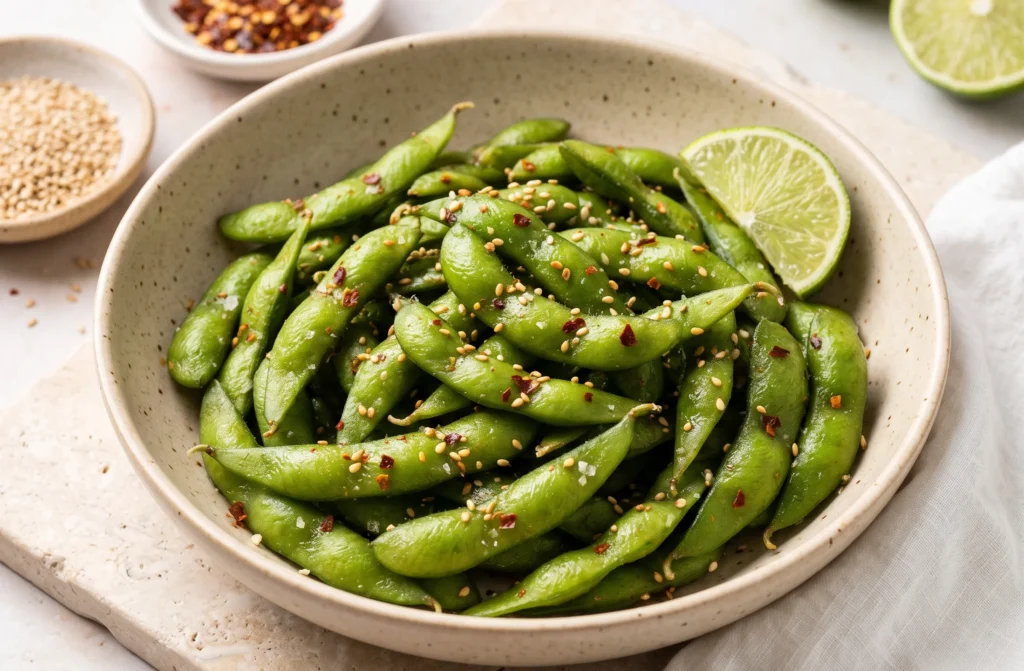
11. Edamame with Lemon and Sesame
Why it works: Edamame contains both plant protein and fiber, so it is more satisfying than many refined snack foods.
Ingredients (1 serving)
¾ cup (115 g) frozen shelled edamame
1 teaspoon lemon juice
½ teaspoon sesame seeds
Black pepper or chili flakes
Instructions
Cook the edamame according to the package directions, or microwave with a splash of water for 2–3 minutes.
Drain and place in a bowl.
Add the lemon juice, sesame seeds, and seasoning, then toss.
Approx. carbs: 10 g
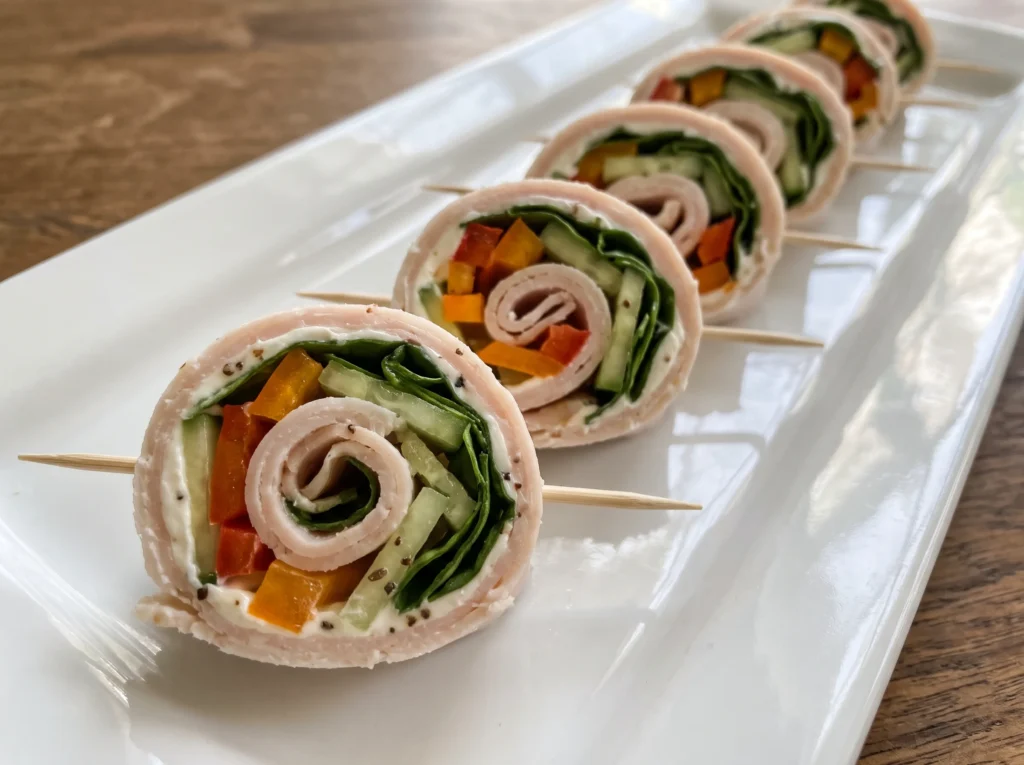
12. Turkey and Vegetable Roll-Ups
Why it works: Turkey provides lean protein, and the vegetables add crunch and volume. Choose low-sodium turkey when possible.
Ingredients (1 serving)
3 slices low-sodium turkey breast
1 tablespoon plain cream cheese or cottage cheese
Cucumber and bell pepper strips
Fresh spinach leaves, optional
Instructions
Lay the turkey slices flat and spread a thin layer of cream cheese on each.
Add a few vegetable strips (and spinach if using).
Roll tightly, seam side down, and cut in half.
Approx. carbs: 3 g
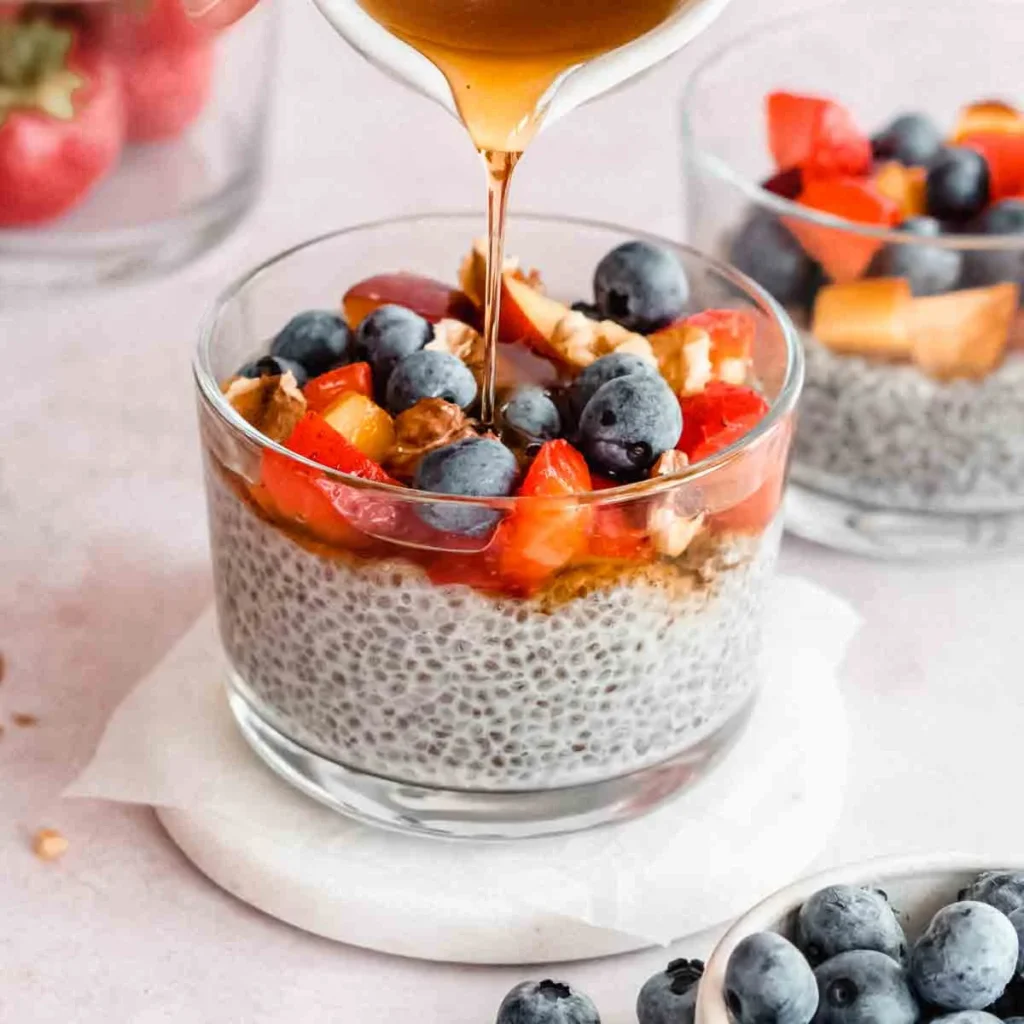
13. Chia and Unsweetened Milk Pudding
Why it works: Chia seeds absorb liquid and form a pudding-like gel. They are high in soluble fiber, and unsweetened milk keeps the base free of added sugar.
Ingredients (1 serving)
2 tablespoons chia seeds
½ cup (120 ml) unsweetened almond or soy milk
¼ teaspoon vanilla extract
¼ teaspoon cinnamon
2 tablespoons raspberries, optional
Instructions
Stir the chia seeds, milk, vanilla, and cinnamon together in a jar.
Let it sit for 5 minutes, stir again to break up clumps, then refrigerate for at least 2 hours or overnight.
Stir before eating and top with berries if desired.
Approx. carbs: 11 g, with most of it from fiber
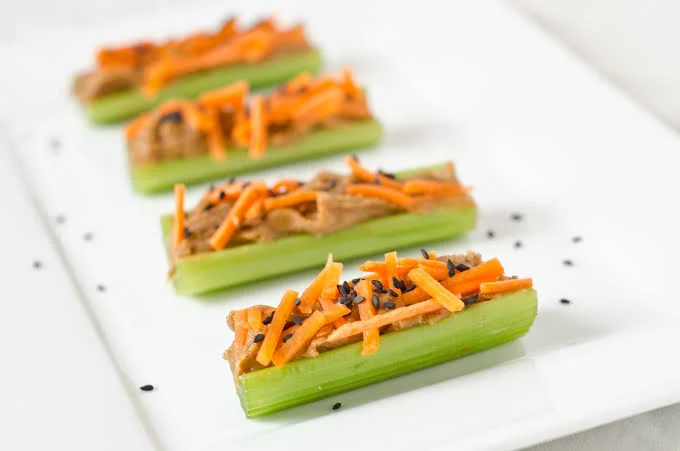
14. Celery with Peanut Butter
Why it works: Celery gives crunch for very few carbohydrates, and peanut butter adds protein and fat. Choose a natural product without added sugar.
Ingredients (1 serving)
2 celery stalks
1 tablespoon (16 g) natural peanut butter
A few pumpkin seeds, optional
Instructions
Wash the celery and cut it into 3–4 inch (8–10 cm) pieces.
Fill each piece with peanut butter.
Sprinkle with pumpkin seeds if desired and serve right away.
Approx. carbs: 6 g
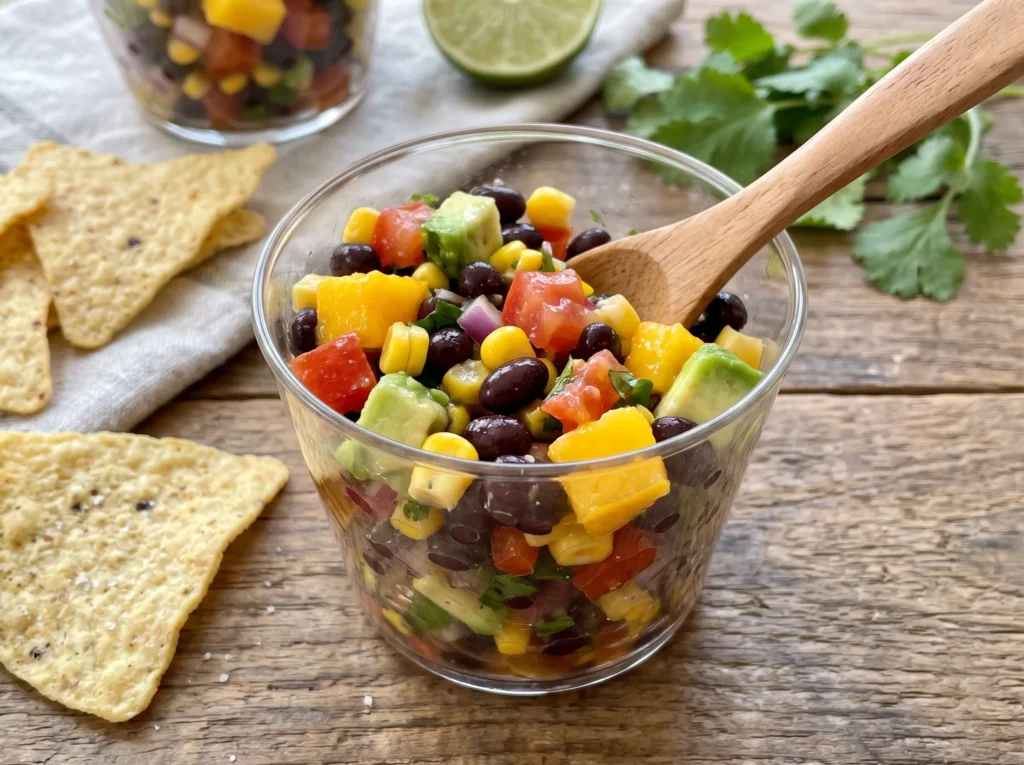
15. Black Bean and Tomato Salsa Cup
Why it works: Black beans provide fiber and plant protein, while tomato, onion, and lime add flavor without any added sugar.
Ingredients (2 servings)
½ cup (85 g) cooked black beans, rinsed
½ cup diced tomato
2 tablespoons diced red onion
1 tablespoon chopped cilantro
1 tablespoon lime juice
Black pepper and a pinch of ground cumin
Instructions
Combine all ingredients in a bowl.
Chill for 10 minutes if time allows.
Serve in two small bowls, or with cucumber slices for dipping.
Approx. carbs: 12 g per serving
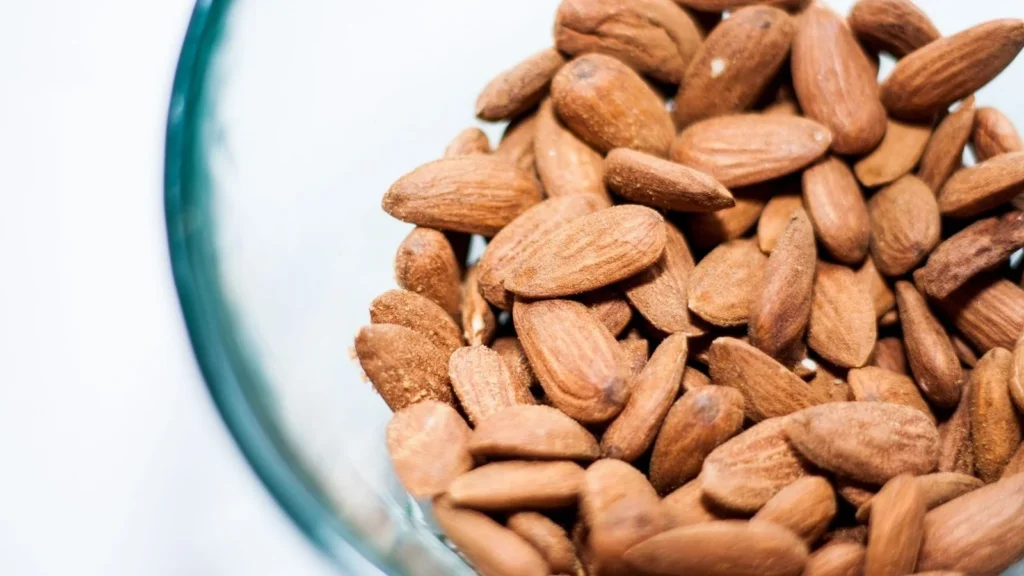
16. A Measured Handful of Almonds
Why it works: Almonds provide protein, fiber, and unsaturated fats, plus magnesium. They are one of the easiest snacks to portion and carry.
Ingredients (1 serving)
1 oz (28 g) unsalted almonds, about 23 nuts
¼ teaspoon cinnamon, optional
Instructions
Measure the almonds into a small bowl or container.
For extra flavor, toast them in a dry skillet over medium-low heat for a few minutes, stirring often, until fragrant.
Cool completely, then toss with the cinnamon.
Approx. carbs: 6 g
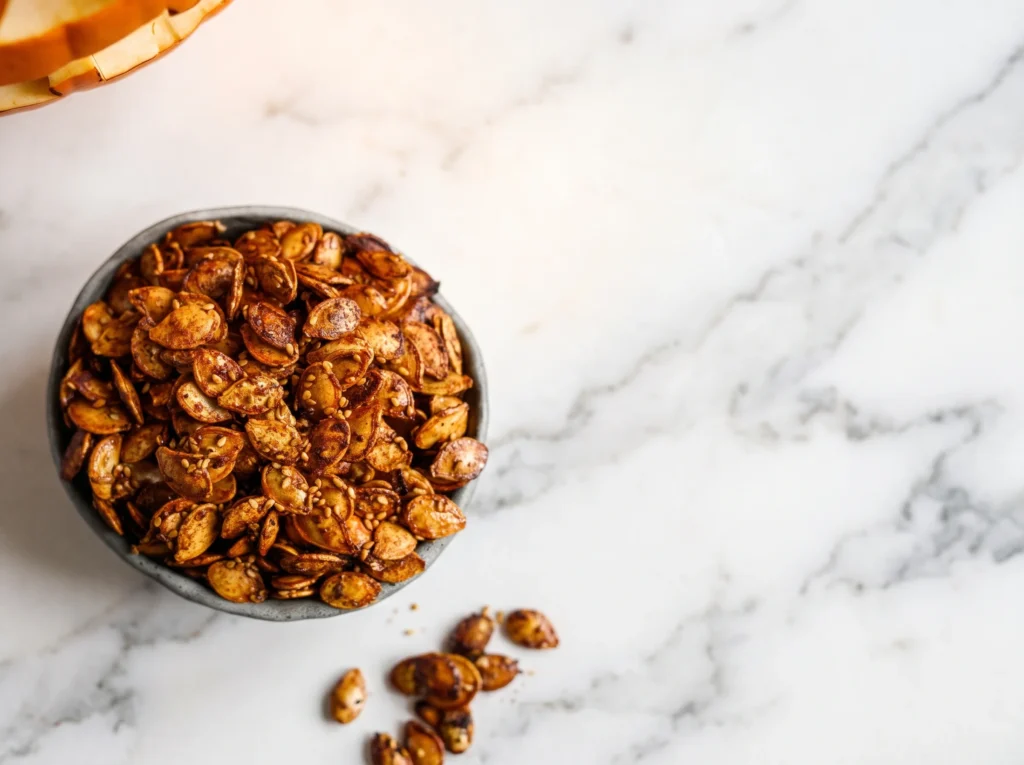
17. Roasted Pumpkin Seeds
Why it works: Pumpkin seeds provide protein, fiber, and unsaturated fats. They are calorie-dense, so measure the serving instead of eating from the bag.
Ingredients (2 servings)
¼ cup (35 g) unsalted pumpkin seeds
¼ teaspoon smoked paprika
A pinch of garlic powder
Instructions
Preheat the oven to 350°F (175°C).
Toss the seeds with the spices.
Bake for 8–10 minutes, watching closely so they do not burn.
Cool and divide into two portions.
Approx. carbs: 2 g per serving
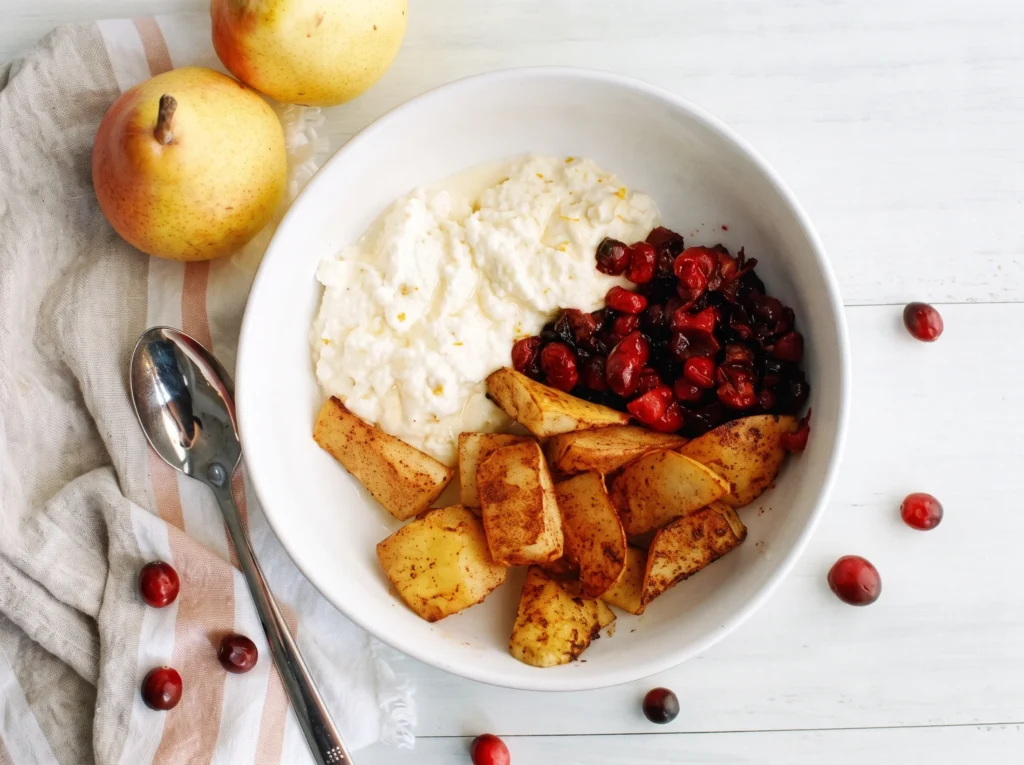
18. Pear and Ricotta Bowl
Why it works: A small portion of pear adds fiber and natural sweetness, and ricotta contributes protein and a creamy texture.
Ingredients (1 serving)
½ small pear, diced
⅓ cup (80 g) part-skim ricotta
1 tablespoon chopped pecans
Cinnamon, optional
Instructions
Place the ricotta in a bowl.
Add the diced pear and pecans.
Sprinkle with cinnamon and serve.
Approx. carbs: 16 g
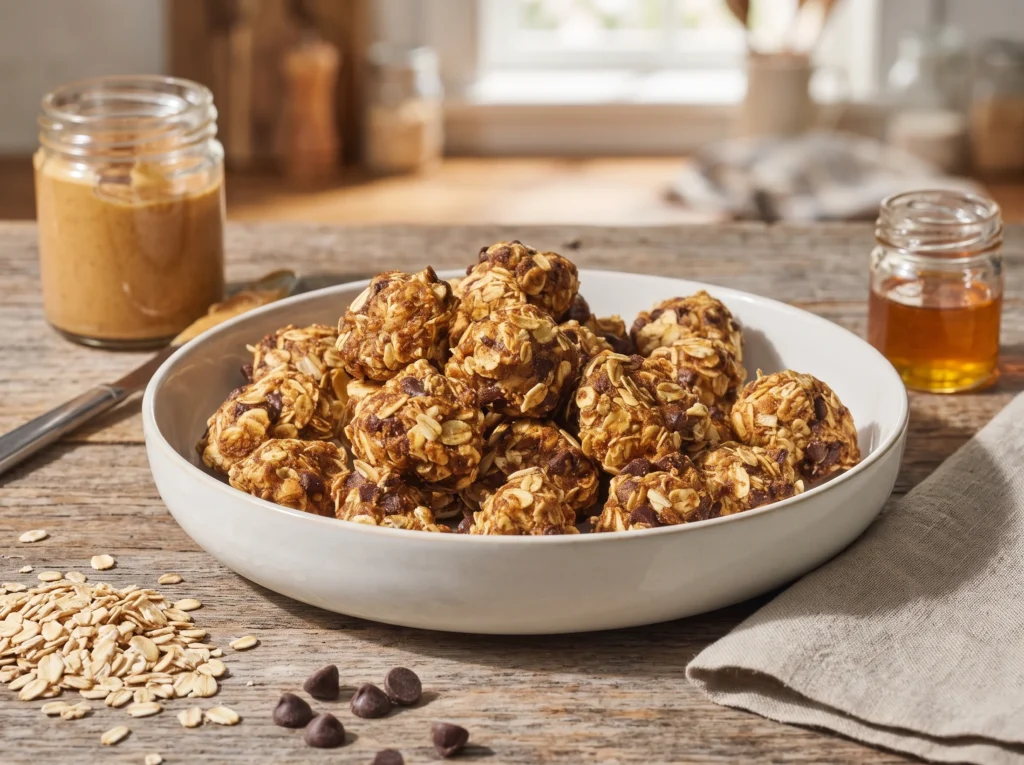
19. No-Bake Peanut Butter Oat Bites
Why it works: Oats provide fiber, while peanut butter and flaxseed add protein and fat. Because the bites are energy-dense, keep them small and count the portion.
Ingredients (6 small bites)
½ cup (45 g) rolled oats
2 tablespoons (32 g) natural peanut butter
1 tablespoon ground flaxseed
1–2 tablespoons unsweetened almond milk
Cinnamon to taste
Instructions
Combine the oats, peanut butter, flaxseed, and cinnamon.
Add the almond milk gradually until the mixture holds together.
Roll into six small balls.
Refrigerate for 30 minutes before serving, and store in an airtight container in the fridge.
Approx. carbs: 5 g per bite
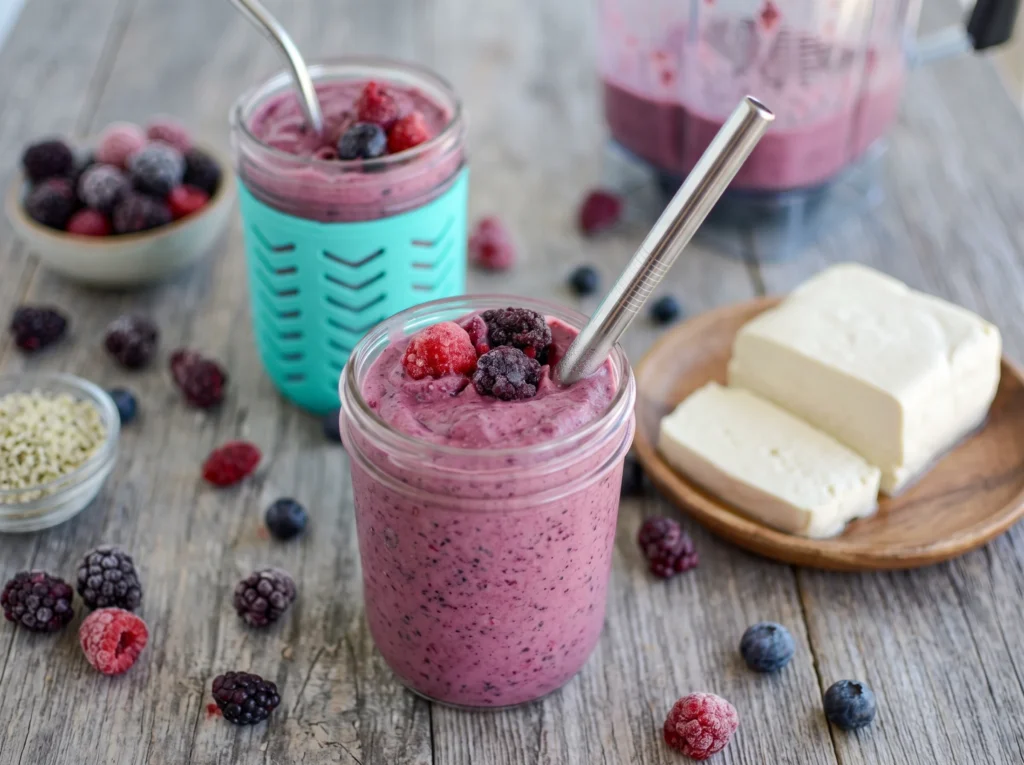
20. Berry and Tofu Smoothie
Why it works: Silken tofu adds plant protein and a creamy texture without sweetened yogurt or juice. Whole berries keep more fiber than fruit juice would.
Ingredients (1 serving)
½ cup (125 g) silken tofu
½ cup (75 g) frozen berries
½ cup (120 ml) unsweetened soy milk
1 teaspoon chia seeds
Ice, optional
Instructions
Add all ingredients to a blender.
Blend until smooth.
Add ice or a splash of soy milk to adjust the texture, and serve immediately.
Approx. carbs: 15 g
How to Build a More Balanced Snack
Before reaching for food, ask yourself whether you are physically hungry or simply thirsty, bored, or stressed. If you are hungry, these simple pairings work well:
Combine carbohydrate with protein. Instead of an apple on its own, pair it with peanut butter or a little cheese.
Add fiber. Chia seeds, beans, vegetables, berries, and whole grains help slow digestion.
Choose unsaturated fats. Almonds, walnuts, avocado, and olive oil are good options.
Check labels. Look at total carbohydrate, fiber, added sugars, and sodium, not just the front of the package.
Find a portion that works for you. A snack with roughly 15–20 g of carbohydrate fits some meal plans, but individual needs vary widely, so ask your healthcare team what is right for you.
Carbohydrates can be part of a balanced diabetes meal plan. The CDC recommends paying attention to both the type and the portion of carbohydrate. Whole fruit, legumes, whole grains, and non-starchy vegetables are generally more nutritious choices than juice, candy, sweetened drinks, and refined snack foods.
Products marketed as "diabetic" or "sugar-free" are not automatically healthier. Some still contain substantial calories, saturated fat, or carbohydrates, so read the label.
Prepare Ahead
Keeping a few ready-to-eat options makes everyday choices easier: boiled eggs, cut vegetables, portioned almonds or trail mix, and a batch of oat bites. Store vegetables and dips separately to keep everything fresh.
What About Snacks for Low Blood Sugar?
If you use insulin or a medication that can cause hypoglycemia, your healthcare team may recommend a carbohydrate-containing snack at specific times. A snack needed to prevent low blood sugar is different from an everyday snack chosen for hunger or convenience.
If you regularly need to snack to prevent lows, talk to your diabetes care team. Do not change your medication or treatment plan based on this article alone.
Key Takeaways
Pair carbohydrates with protein, fiber, or healthy fats.
Measure portions of calorie-dense foods such as nuts, seeds, nut butter, and avocado.
Even nutritious foods like fruit, oats, popcorn, and legumes contain carbohydrates, so portions still matter.
Read labels for added sugar and sodium.
The best snack is one you enjoy, that fits your needs, and that works with your overall diabetes management plan.
Looking for more ideas? Explore our collection of healthy breakfast and dinner recipes.
Medical disclaimer: This article is for general education and does not replace medical or nutrition advice. Blood sugar responses vary from person to person. Speak with a doctor or registered dietitian about your individual carbohydrate needs, allergies, kidney health, medications, and risk of hypoglycemia.
Pin this recipe to share with your friends and followers.
Jessica Carter
Food and Lifestyle Blogger
Hi, I'm Samantha, a full-time food blogger, mother of 2 beautiful daughters and a lovely wife. I live in New Jersey with my family. Loves traveling, sharing new recipes, and spending time with my family.