

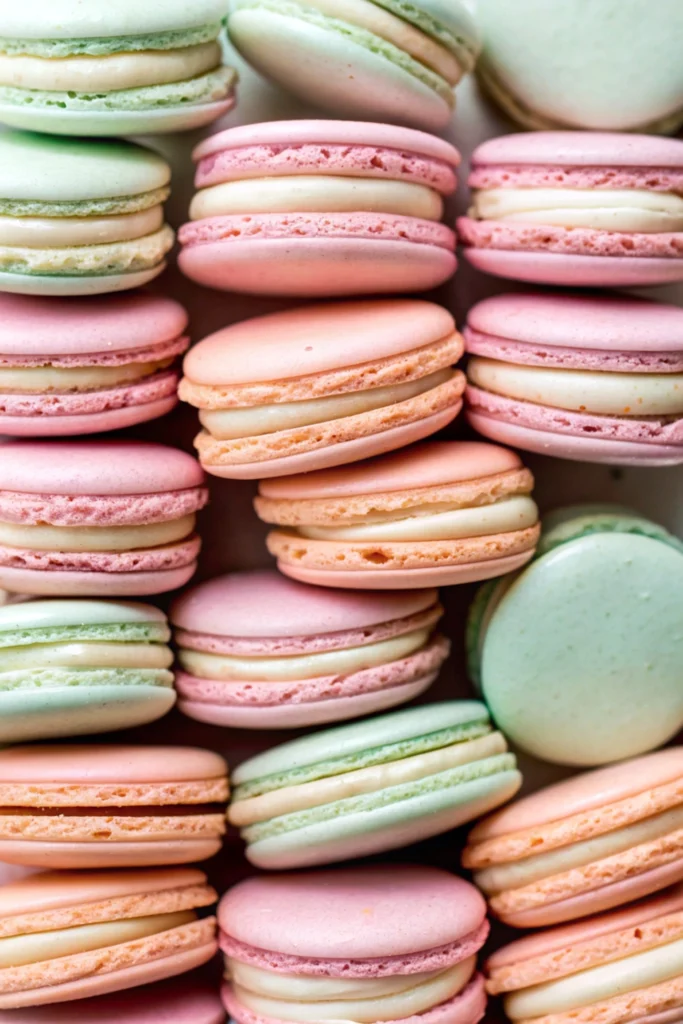
French macarons are known for their elegant appearance, crisp shells, delicate “feet,” and signature chewy interior but they don’t have to be intimidating.
This beginner’s guide walks you through the classic French method step by step, explaining not only how to make macarons, but why each step matters. With precise measurements, essential tools, and proven tips, this guide will help you achieve bakery-style macarons at home, even if it’s your first attempt.

❤️ Why You’ll Love This Recipe
• Delicate & Elegant – A beautiful, impressive cookie perfect for special occasions.
• Chewy Texture – The combination of meringue and almond flour creates a signature nougat-like chew.
• Gluten-Free – Naturally gluten-free, made with almond flour.
• Customizable – Easily flavored and colored with various fillings and gel food coloring.
French Macarons: A Beginner’s Guide 🍬
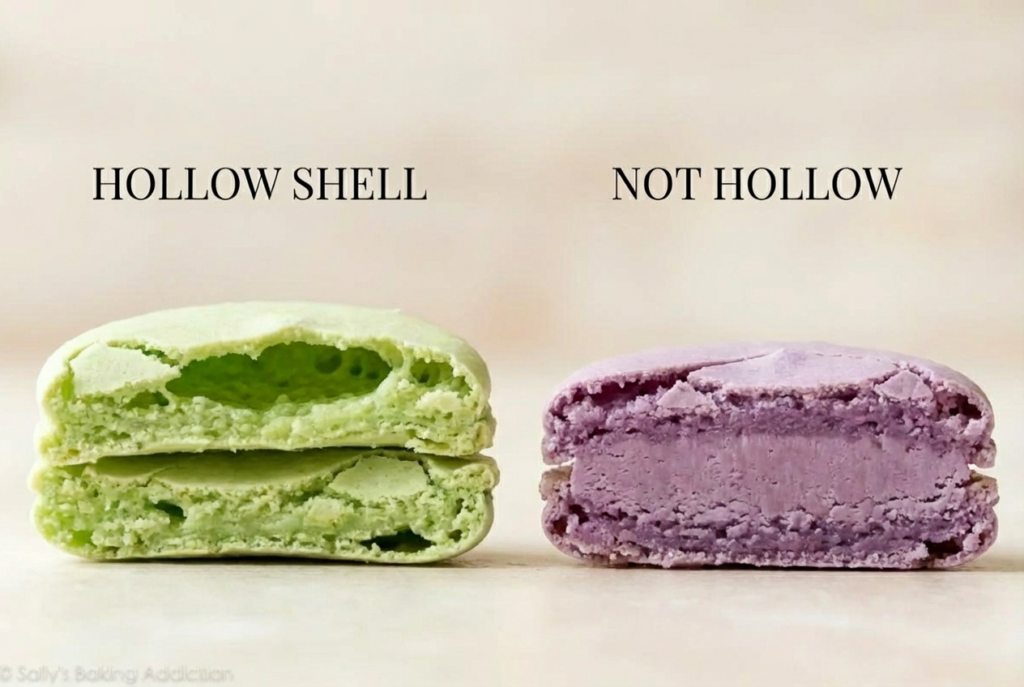
French macarons are elegant sandwich cookies with a crisp shell and a soft, chewy center. Each cookie is made from two smooth macaron shells, lifted naturally with whipped egg whites no chemical leaveners needed. When baked perfectly, they have a tender, nougat-like texture and should never be hollow.
This recipe makes classic plain macarons, highlighting their naturally sweet almond flavor 🌰. For extra fun, fill them with vanilla or lemon buttercream, salted caramel, or rich chocolate ganache 🍫.
Baking macarons at home requires precision, patience, and practice. Don’t worry you can do it! Every baker starts somewhere, and careful technique makes all the difference.
There are a few methods to make macarons: French, Italian, and Swiss. The French method is beginner-friendly, while the Italian method is slightly more involved but often more consistent. Swiss macarons are less common.
🛠 Tools You’ll Need
• Kitchen scale (MANDATORY for accuracy) ⚖️
• Stand mixer or hand mixer (for meringue) 🎛️
• Fine mesh sieve (for sifting dry ingredients)
• Piping bag and round tip (Wilton 12 or Ateco 806)
• Baking sheets (rimmed)
• Parchment paper or macaron-specific silicone baking mat
• Oven thermometer (MANDATORY for accuracy)
• Glass or metal bowls (MANDATORY, no plastic)
🥄 Key Ingredients
For the Macaron Shells:
• Aged Egg Whites – Separated and refrigerated for at least 24 hours, then brought to room temperature.
• Cream of Tartar – Provides extra insurance, helping the egg whites hold their air.
• Superfine Sugar (Caster Sugar) – Granulated sugar pulsed in a food processor until fine.
• Fine Almond Flour – Must be fine, not almond meal.
• Confectioners’ Sugar – Adds bulk and sweetness.
• Gel Food Coloring (Optional) – Avoid liquid food coloring.
For the Filling (Example: Vanilla Buttercream):
• Unsalted butter, Confectioners’ sugar, Vanilla extract, Milk.
🍪 How to Make French Macarons
1. Prep Dry Ingredients: Sift the almond flour and confectioners’ sugar together into a large bowl. Discard any large pieces that don’t pass through the sieve. Set aside.
2. Make Superfine Sugar: Pulse granulated sugar in a food processor or blender for about 10 seconds until it is superfine.
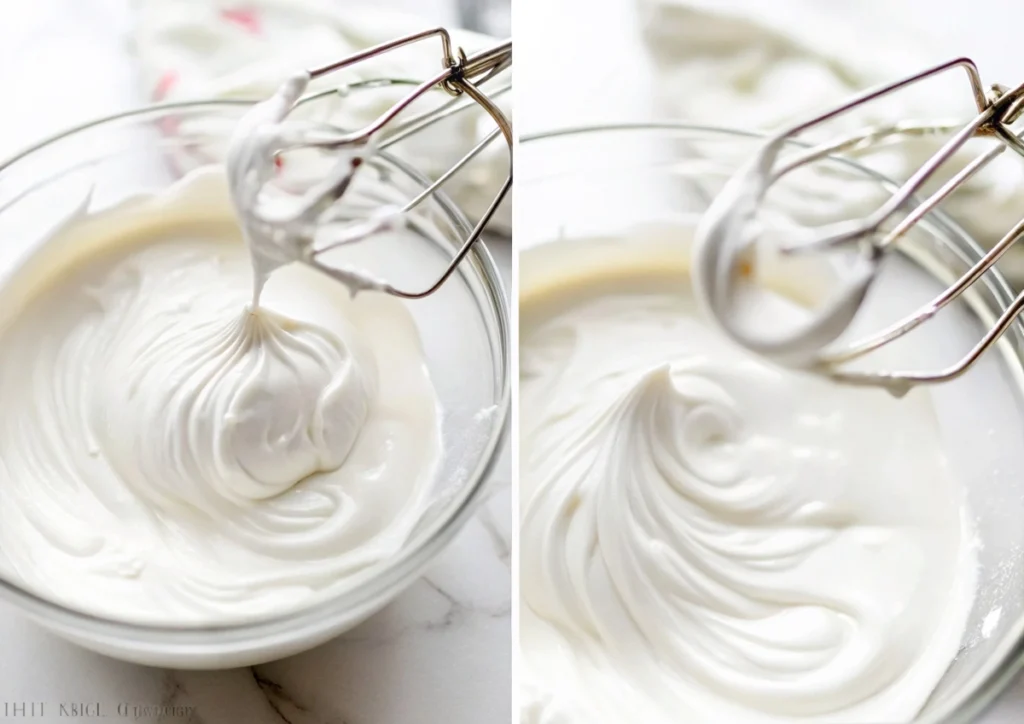
3. Make Meringue: In a clean glass or metal bowl, beat the aged, room-temperature egg whites with cream of tartar on medium speed until foamy. Gradually beat in the superfine sugar, one-third at a time, until stiff, glossy peaks form. This is the meringue. Add gel food coloring now, if desired.
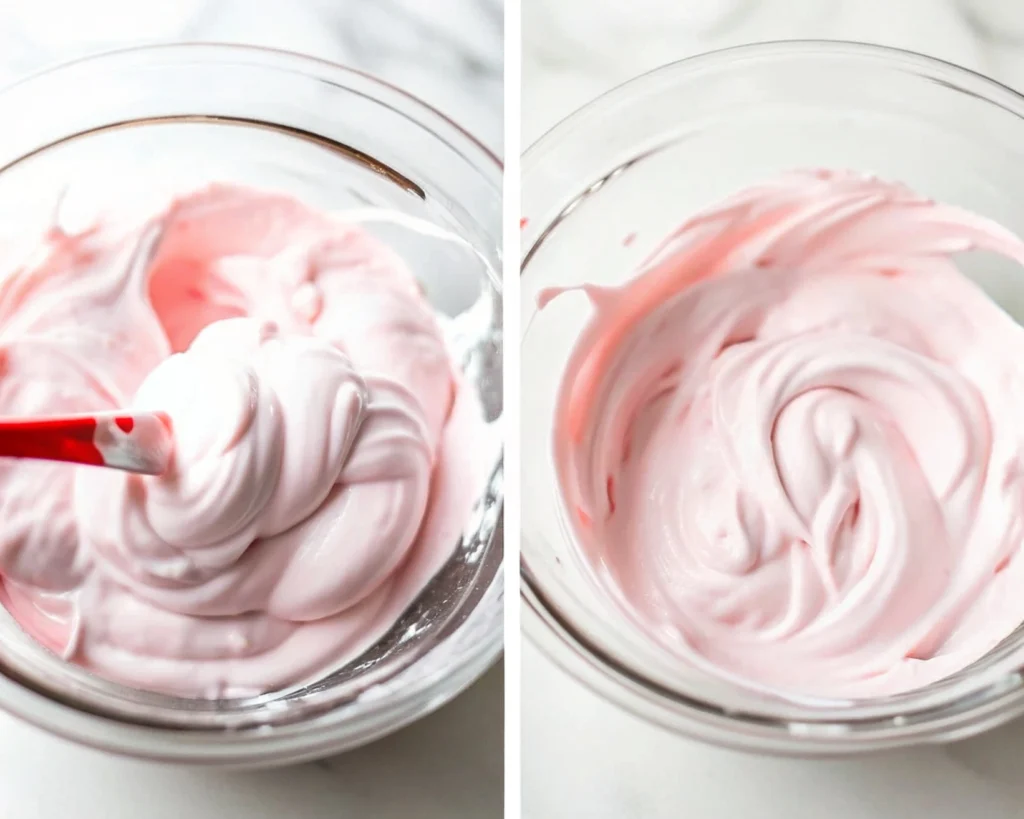
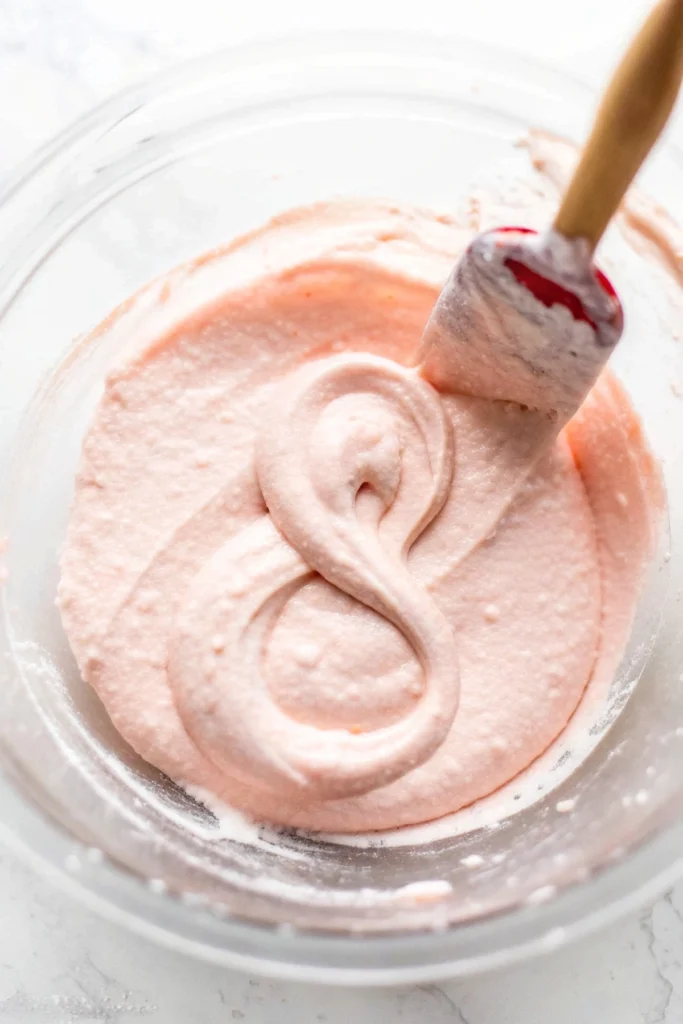
4. Macaronage (Folding): Add the sifted dry ingredients to the meringue. Using a rubber spatula, gently fold the mixture until it reaches the correct consistency (the “ribbon stage”). The batter should flow off the spatula in a thick ribbon and you should be able to draw a figure-eight without it breaking. Do not overmix.
5. Pipe Shells: Transfer the batter to a piping bag fitted with a round tip. Pipe 1.5-inch circles onto baking sheets lined with parchment paper or a silicone mat.
6. Tap and Rest (Drying): Firmly tap the baking sheets on the counter 5–6 times to release air bubbles. Use a toothpick to pop any remaining bubbles. Let the piped shells rest at room temperature for 30–60 minutes (or longer, depending on humidity) until a skin forms. The shells should be dry to the touch.
7. Bake: Preheat oven to 300°F (149°C). Bake one sheet at a time for 13–15 minutes. Macarons are done when they have developed “feet” and do not wiggle when gently touched.
8. Cool and Fill: Cool completely on the baking sheet. Pair shells of similar size, pipe filling onto one shell, and sandwich.
9. Maturation: Store filled macarons in an airtight container in the refrigerator for at least 24 hours before serving to achieve the signature chewy texture.
What is Macaronage? ✨
Macaronage is the essential step of folding your macaron batter to achieve a smooth, glossy, and flowy consistency that pipes perfectly into even shells. This step is crucial—getting it right can make the difference between macarons that are flat, hollow, or cracked.
- Undermixed batter is too thick and can create lumpy or hollow macarons.
- Overmixed batter is too thin and can lead to cracked shells or macarons without feet.
The best way to understand perfect macaronage is visually. A helpful trick is the figure-eight test: drop the batter from your spatula in the shape of a figure 8. The batter should flow like honey and settle back into itself within about 10 seconds.
- If it sinks faster, your batter is overmixed and too thin.
- If it takes longer, gently fold a bit more to deflate excess air.
Getting this balance right takes practice, but once you master it, your macarons will consistently have smooth tops and beautiful feet! 🍪
💡 Tips for Success
• Weigh Your Ingredients: Macarons are a science—always use a kitchen scale.
• Age Your Egg Whites: Separate 1–2 days ahead, refrigerate, then bring to room temperature.
• Proper Macaronage: Batter should flow like lava and form a slow ribbon. Stop folding immediately once reached.
• Oven Temperature: Always use an oven thermometer.
• Resting Time: Never skip resting—dry shells are essential for proper feet.
🆘 Macaron Troubleshooting Guide
Problem: Macarons are hollow inside.
Likely Cause: Over-whipped meringue, under-mixed macaronage, or oven too cool.
Solution: Stiff but not dry meringue, proper ribbon stage, verify oven temperature.
Problem: No feet.
Likely Cause: Under-rested shells, over-mixed batter, or low oven temperature.
Solution: Rest until dry, correct macaronage, verify oven heat.
Problem: Cracked tops.
Likely Cause: Air bubbles, oven too hot, or under-rested shells.
Solution: Tap trays firmly, pop bubbles, verify temperature, rest fully.
Problem: Lopsided macarons.
Likely Cause: Uneven oven heat or angled piping.
Solution: Rotate tray halfway and pipe straight down.
👩🍳 Pro Chef Tips
• Use a Template: Place under parchment for uniform shells.
• Double Pan: Stack two baking sheets to prevent over-browning.
• Maturation is Key: Macarons taste best the next day.
• Flavoring: Add extracts after sugar is fully incorporated.
☕ Perfect Pairings
• Espresso or Cappuccino – Balances sweetness beautifully.
• Champagne or Sparkling Wine – Complements delicate texture.
• Black Tea – Earl Grey or Darjeeling.
• Sweet Dessert Wine – Moscato or Sauternes.
📦 How to Store
• Room Temperature: A few hours only; best chilled.
• Refrigerator: Airtight container up to 1 week.
• Freezer: Unfilled shells up to 3 months; filled macarons up to 1 month.
This comprehensive guide ensures you’ll create perfect French Macarons every time, making your baking delightful and delicious!
🍰 More Recipes You’ll Love
- Chocolate Lofthouse Cookies: Your New Favorite Soft & Fudgy Treat! 🍫🍪
- Cookies & Cream Cookies: Your New Favorite Oreo-Filled Treat!
- Delightful Strawberry Swirl Cookies: A Chewy, Fruity Treat! 🍓✨
- The Ultimate Soft Batch Double Chocolate Chip Cookies

Get Recipes on Pinterest

Beginner’s Guide to French Macarons 🇫🇷🍪 Step-by-Step French Method
Description
A detailed, beginner-friendly recipe for delicate French macaron shells with a chewy interior and signature “feet.”
Ingredients
For the Macaron Shells:
For the Filling (Example: Vanilla Buttercream)

Instructions
-
🥣 Prepare the Dry Ingredients
Place the almond flour and confectioners’ sugar into a fine-mesh sieve set over a large bowl. Sift thoroughly, gently pressing to remove any lumps.
👉 Avoid discarding too much, but remove any large coarse pieces, as they can cause uneven or bumpy shells. Set aside.
-
🍚 Make Superfine Sugar
Place the granulated sugar in a food processor or blender and pulse for 8–10 seconds until very fine.
➡️ Superfine sugar dissolves more easily into the egg whites, creating a smoother and more stable meringue.
-
🥚 Prepare the Egg Whites
Wipe a large glass or metal mixing bowl with lemon juice or vinegar to remove any grease.
Add the egg whites, cover, and refrigerate for 24 hours. Bring to room temperature before using.
-
☁️ Whip the Meringue
Add the cream of tartar (and extract, if using) to the egg whites. Beat on medium speed until foamy and soft peaks begin to form.
Once the beaters start leaving tracks, gradually add the superfine sugar in three additions, beating a few seconds between each.Increase to medium-high speed and continue beating until stiff, glossy peaks form. The meringue should be smooth, firm, and hold sharp points without drooping.
Gently fold in gel food coloring at this stage, if using.
-
🔄 Macaronage (Folding the Batter)
Add the sifted almond flour and confectioners’ sugar mixture to the meringue in three additions.
Using a flexible spatula, gently fold by scraping around the bowl and through the center to deflate excess air.Continue folding until the batter reaches the ideal consistency:
-
flows slowly off the spatula in thick ribbons
-
settles back into itself within about 10 seconds
-
allows you to draw a figure eight without breaking
⚠️ Go slowly—stop immediately once this texture is reached to avoid overmixing.
-
-
🎯 Pipe the Macaron Shells
Transfer the batter to a piping bag fitted with a round tip (such as Wilton 12 or 1A).
Holding the bag at a 90-degree angle, pipe 1½–2 inch rounds onto baking sheets lined with parchment paper or silicone mats.Firmly tap the trays on the counter to release air bubbles. Use a toothpick to pop any visible bubbles on the surface.
-
⏳ Rest the Shells
Let the piped shells rest at room temperature for 30–60 minutes, or until they are dry to the touch and no longer sticky.
👉 This resting time allows a skin to form, which helps the macarons rise properly and develop their signature ruffled feet.
-
🔥 Bake the Macarons
Preheat the oven to 300–325°F (150–163°C), adjusting based on your oven and using an oven thermometer if possible.
Bake one tray at a time for 13–15 minutes.The macarons are done when:
-
feet have formed
-
the tops do not move when gently touched
-
-
❄️ Cool Completely
Remove the tray from the oven and allow the shells to cool completely on the baking sheet before removing.
Attempting to remove them while warm may cause sticking or breakage.
-
🍫 Fill and Assemble
Match shells of similar size. Pipe or spread your desired filling onto the flat side of one shell, then gently sandwich with another.
-
🕰️ Mature the Macarons
Place the filled macarons in an airtight container and refrigerate for 12–24 hours to allow the flavors and texture to mature.
Bring to room temperature before serving.
Note
❄️ Freezing Instructions
Both cooled macaron shells and fully assembled macarons freeze well for up to 1 month. Thaw in the refrigerator, then bring to room temperature before filling or serving.
🧰 Special Tools
Electric mixer (handheld or stand) · Glass or metal mixing bowls · Egg separator · Digital food scale ⚖️ · Fine-mesh sieve · Piping bags (disposable or reusable) · Medium round piping tip (Wilton 12, Wilton 1A, or Ateco 806) · Baking sheets · Silicone baking mats (including macaron-specific mats) or parchment paper · Cooling rack
⚖️ Ingredient Weights & Substitutions
For best results, ingredient substitutions are not recommended. Using a digital food scale is the most reliable way to achieve consistent macarons.
If you do not have a scale, use these approximate measurements:
- Superfine sugar: about 1/3 cup
- Almond flour: about 1 cup + 1 teaspoon
- Confectioners’ sugar: about 1 cup + 1 teaspoon
(Measurements should be spooned and leveled.)
🥚 Egg Whites
For the most consistent results, use fresh egg whites separated from whole eggs rather than liquid egg whites from a carton. Aging the egg whites in the refrigerator for 24 hours is strongly recommended.
🌼 Extracts & Flavoring
These macarons are kept plain to highlight their natural sweet almond flavor. If desired, add 1/2 teaspoon of extract such as vanilla, almond, lemon, coconut, or another favorite flavor.
🍚 Make Your Own Superfine Sugar
Add 80g of regular granulated sugar to a food processor or blender. Pulse 8–10 times until the sugar becomes very fine. Measure 80g of superfine sugar for the recipe—it should weigh approximately the same as the original amount.
🎨 Food Coloring (Optional)
Coloring the macaron batter is optional. Without coloring, the shells will have a natural beige tone. Avoid liquid food coloring, as it can alter the batter’s consistency. Use 1–2 drops of gel food coloring instead. Powdered food coloring may work, but use only a very small amount.
🌰 Almond Flour
Use fine almond flour, not almond meal. Almond flour is made from blanched, skinless almonds and has a much finer texture. Almond meal contains the skins and is coarser, which can affect the smoothness of the shells. While homemade almond flour is possible, almonds can quickly release oils and turn into almond butter, so store-bought fine almond flour is recommended.
🍫 Filling Ideas
The macarons shown are filled with vanilla buttercream (a half batch). Other delicious options include chocolate buttercream, lemon buttercream, chocolate peanut butter frosting, Nutella frosting, cream cheese frosting, champagne frosting, strawberry frosting, or peanut butter frosting. Cooled and thickened chocolate ganache or salted caramel also make excellent fillings.